The Chornobyl catastrophe fractured whatever trust remained in Poland’s government after five decades of Communist rule, transforming pharmacy queues and playgrounds into spaces of political awakening. Exploring how environmental catastrophe sparked mass civic mobilisation, Szulecki asks whether these lessons can inform struggles for democratic control over nuclear infrastructure in Europe amid war and climate breakdown.
In the last days of April 1986, Poland’s spring air carried an invisible threat. The radioactive cloud from a previously little-known nuclear plant that the papers initially dubbed ‘Czarnobylsk’ drifted westward, crossing borders. Reinforced with barbed wire, the nearly impenetrable borders of the Eastern Bloc mattered greatly for citizens deprived of their passports, but they meant very little to isotopes.
For several days, the Polish authorities said nothing. Then suddenly they reassured the public: the situation was under control, the danger minimal, life should go on as usual. At the same time, in pharmacies and clinics across the country, queues began to form – mostly of women, often with small children in strollers. They asked the same urgent questions: Should children drink milk? Should they play outside? Should they be given iodine, and if so, how much?
The answers were contradictory and often whispered rather than publicly announced. Parents learnt from neighbours, underground leaflets, and foreign radio broadcasts that the radioactive cloud had already passed over Poland before the government admitted it. When iodine solution was finally distributed to children, it often came without explanation or guidance. The solution, popularly known as Lugol’s liquid and also dubbed ‘Russian Cola’, would come to symbolise the nuclear disaster, especially for Poles born between the early 1970s and early 1980s, who had the disgusting drink forced down their throats in an atmosphere of general panic. Mothers compared notes in stairwells and on park benches, exchanging information that was at once medical, political, and existential. The state that claimed to guarantee safety had revealed itself as dangerously opaque.
This moment – mundane, intimate, and profoundly unsettling – did not immediately generate a coherent political response. But it did something more corrosive to authoritarian rule: it fractured trust in the state and the Party, or what was left of it after five decades of Communist rule. Chornobyl turned kitchens, playgrounds, and pharmacy queues into spaces of political awakening. Environmental danger, refracted through fear for children’s lives, became a language of dissent that did not need slogans. So, when on the first anniversary of the catastrophe, one of the main streets in Wrocław was blocked by a fourteen-metre-long banner that read simply ‘Chornobyl’, the true message was clear: They knew but didn’t tell us. The question was no longer whether the system lied, but how far it could go in risking the lives of its citizens before admitting to its own corruption and failure.
The Chornobyl disaster occurred at precisely the right historical moment to act as the proverbial last straw to break the Red camel’s back. By 1986, the Communist system was already economically exhausted and politically shaky. In Poland, martial law introduced in 1981 to extinguish the flame of Solidarity had not managed to tame all dissent, but the Party’s hard line had certainly increased the cost of political engagement and reduced the appeal of traditional forms of opposition.
Environmentalism provided an integrating platform at a moment when other forms of dissent had become fragmented or exhausted. Environmental issues entered this landscape as a powerful catalyst for mobilisation. While younger activists and their new movements would often claim that environmental concerns were apolitical – after all, ‘the police drink the same water’, as one protest chant had it – this was demonstrably false. Environmentalism was political to the core, but in a different, and potentially more dangerous, way. It was, perhaps, suprapolitical, as environmental issues were difficult to dismiss as ‘hostile’ (foreign) propaganda; they united people across ideological and generational lines, and they exposed the regime’s vulnerabilities without directly challenging its ideological foundations.
In the aftermath of Chornobyl, environmental protests in Poland expanded rapidly in scale and ambition. Activists linked the disaster to domestic nuclear projects, most notably the planned Żarnowiec nuclear power plant (NPP) on the Baltic coast. Protests against nuclear power merged with broader campaigns addressing air and water pollution, toxic waste, and public health. Their repertoire included sit-ins, rooftop occupations, hunger strikes, carnivalesque performances, and marches led by mothers with prams. These innovative and often theatrical actions lowered the threshold for participation and made repression politically costly.
The breadth of mobilisation was remarkable. Anarchists, pacifists, Catholic groups, scientists, local officials, and ordinary residents found common cause. The environmental protest movement culminated in the successful campaign against the Żarnowiec NPP, which included a grassroots regional referendum in 1990. Nearly a million people participated in this extraordinary experiment in popular democracy on the eve of post-socialist transition.
This moment of green political awakening has been largely forgotten. It sits uneasily with the dominant narrative of Poland’s transformation, which privileges dissident intellectuals, the Catholic Church, elite negotiations, and the triumph of liberal democracy in 1989. Environmental protest challenged both the Communist authorities and the emerging post-Solidarity elites, who increasingly viewed mass mobilisation as a threat to stability and modernisation. As protest and civil disobedience became delegitimised in the name of orderly transition, environmental activism was professionalised, institutionalised, and stripped of much of its grassroots energy.
The consequences were ambivalent. On the one hand, environmental experts joined the state administration, new regulatory frameworks were established, and Poland’s environmental performance improved markedly in the 1990s. On the other hand, the capacity for broad, suprapolitical mobilisation declined, and paths towards more participatory and locally grounded democracy were not taken. Environmentalism became associated with NGOs, projects, and expertise rather than mass participation. The lessons of the late 1980s about the democratic potential – and limits – of environmental protest were not fully absorbed.
Four decades after the Chornobyl catastrophe, these lessons are more critical than ever. Russia’s full-scale war against Ukraine has returned reactor safety and nuclear risk to the centre of European politics. From the occupation of the Chornobyl exclusion zone to the militarisation of the Zaporizhzhia NPP, nuclear facilities have become instruments of coercion and geopolitical leverage. Civilians are once again being asked to trust assurances issued under conditions of secrecy, censorship, and war.
At the same time, Europe is re-evaluating nuclear energy as part of its response to climate change, energy insecurity, and decoupling from Russian fossil fuels. These debates often treat Chornobyl as a relic of a different system and a different time. The Polish experience suggests otherwise. The core legacy of Chornobyl is not technological but political. It concerns governance, transparency, participation, and trust.
In fact, these lessons remain timely, as the nuclear sector is characterised by secrecy and a tendency to opt out of regular democratic procedures everywhere, whether in France, the UK, Japan, or modern-day Poland. In the words of the Czech energy scholar, Filip Černoch, nuclear energy projects ‘are so big, they bend space-time’. These infrastructural mastodons inspire loosening procedures, changing regulations, rewriting laws, and turning a blind eye to ensure their success. Meanwhile, rising costs, often associated with a higher level of safety, create a temptation to cut corners – not just red tape.
Security is often cited as a justification for these exceptions. Therefore, control over nuclear energy becomes a fundamental problem for democratic sovereignty, because, as Carl Schmitt famously put it, ‘sovereign is [the one] who decides on the [state of] exception’. The sovereign is the subject of politics in that (s)he knows best what direction governance should take and has the means to implement his/her will. However, the sovereign power may not necessarily be aligned with the needs and will of society at large. The challenge for Europe today is therefore not only to manage nuclear risk but to sustain democratic oversight in conditions of permanent crisis caused by geopolitical turbulence and a rapidly warming planet.
Environmental issues retain their suprapolitical potential because they expose the costs of silencing dissent, and, at the end of the day, they require accountability and governance reforms if problems are not addressed. But contemporary authoritarian regimes have learnt from the past. They monitor environmental activism closely, fragment it territorially, and frame it as a security threat. Dictators like Vladimir Putin understand the risk of ignoring kids who gather to protest their local park being sold to real estate developers. Civic mobilisation spawns networks, and these networks can become stronger and ultimately challenge official institutions.
Remembering Chornobyl in 2026 is not simply an act of commemoration. It is a warning. Ecological catastrophes and political transformation are often entwined in the Anthropocene, and the spaces opened by environmental fear can lead either to democratic renewal or to deeper control. The choice remains profoundly political.
Kacper Szulecki is a Research Professor at the Norwegian Institute of International Affairs, also affiliated with the Include Centre for Just Energy Transitions at the University of Oslo, and the Open Society Hub for the Politics of the Anthropocene at Central European University, Vienna. Together with Caroline Kuzemko, he chairs the largest network of energy policy scholars in the world – the Standing Group for Energy Policy, Politics and Governance of the European Consortium for Political Research. He holds a PhD in the social sciences from the University of Konstanz and an MSc in international relations from VU University Amsterdam. He is the author and editor of numerous books and edited volumes, including The Chernobyl Effect (Berghahn Books, 2023), Dissidents in Communist Central Europe (Palgrave, 2019), and Energy Security in Europe (Palgrave Macmillan, 2017), over eighty research papers and chapters, and over a hundred media articles and op-eds.
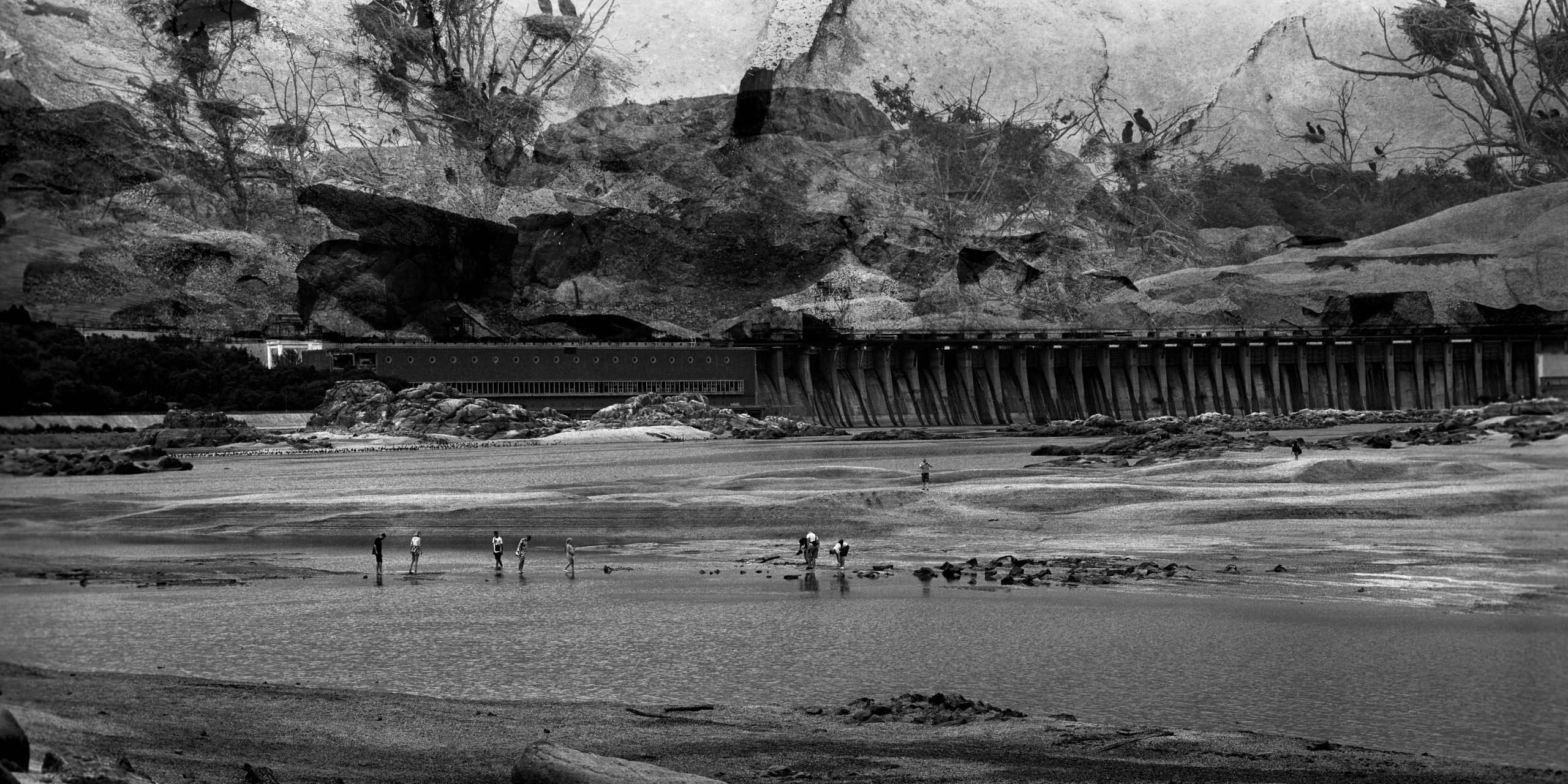
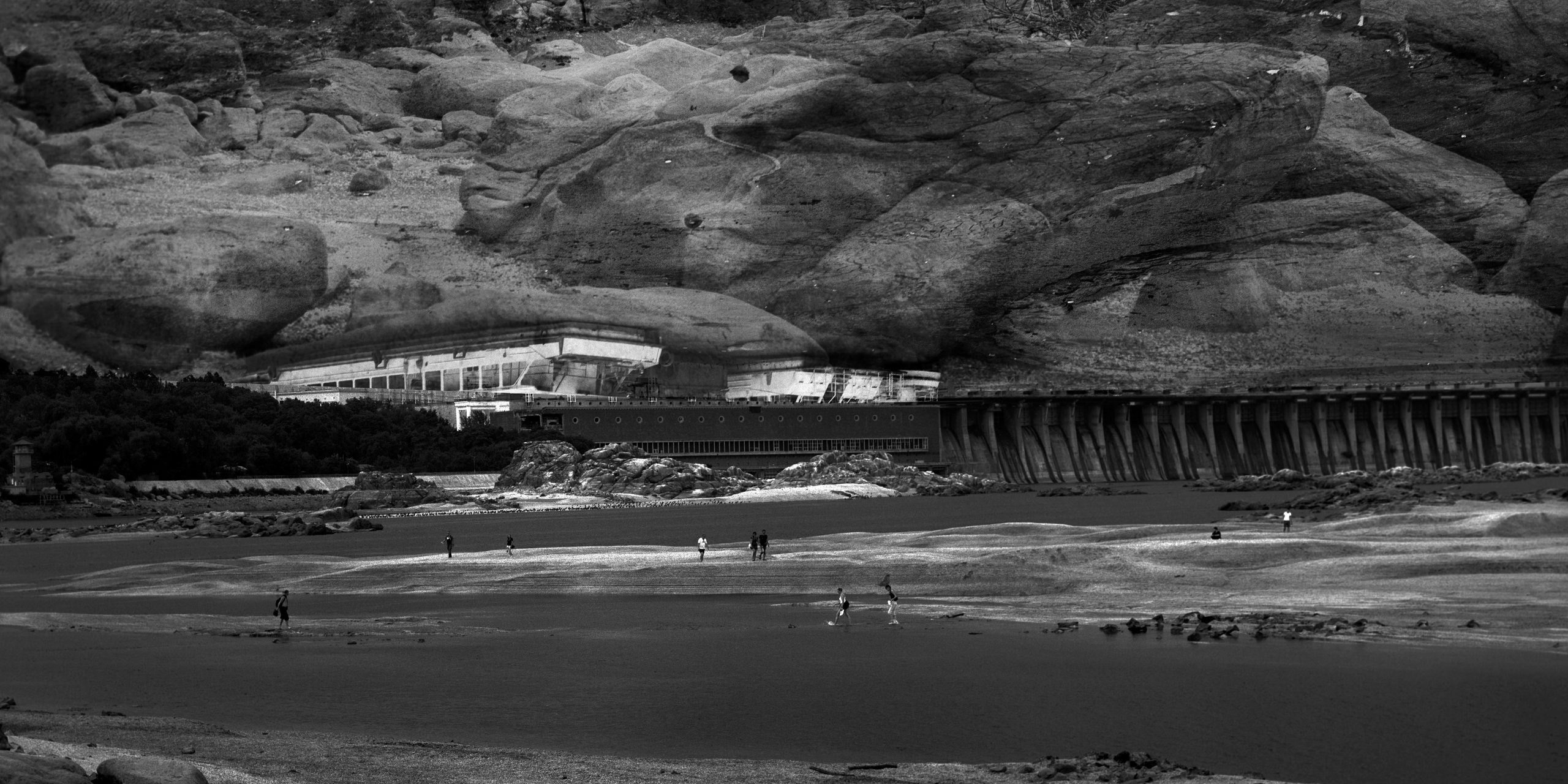
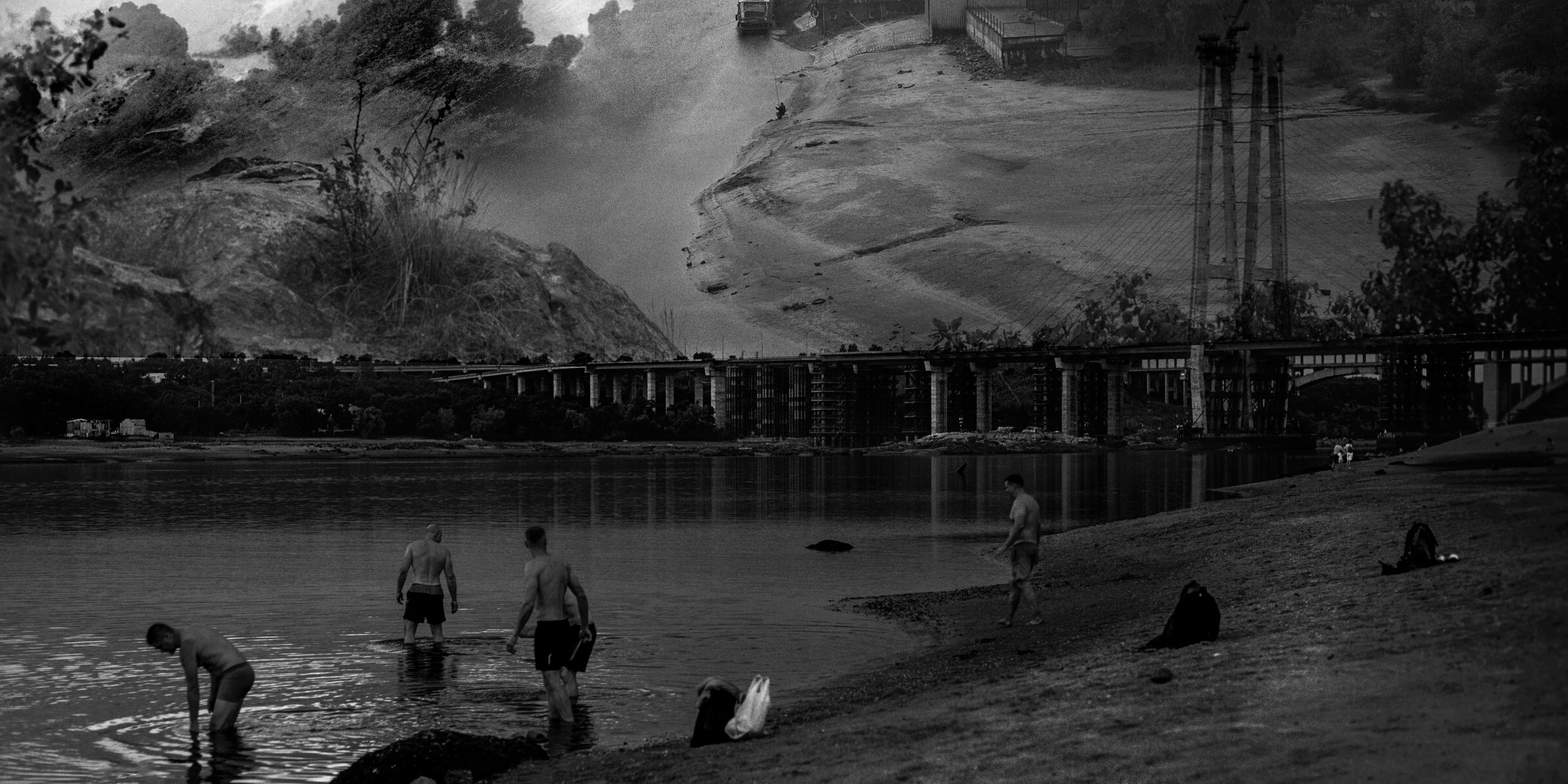
Image: Yana Kononova, Untitled (II) from the series Desperation of Landscape, 2023