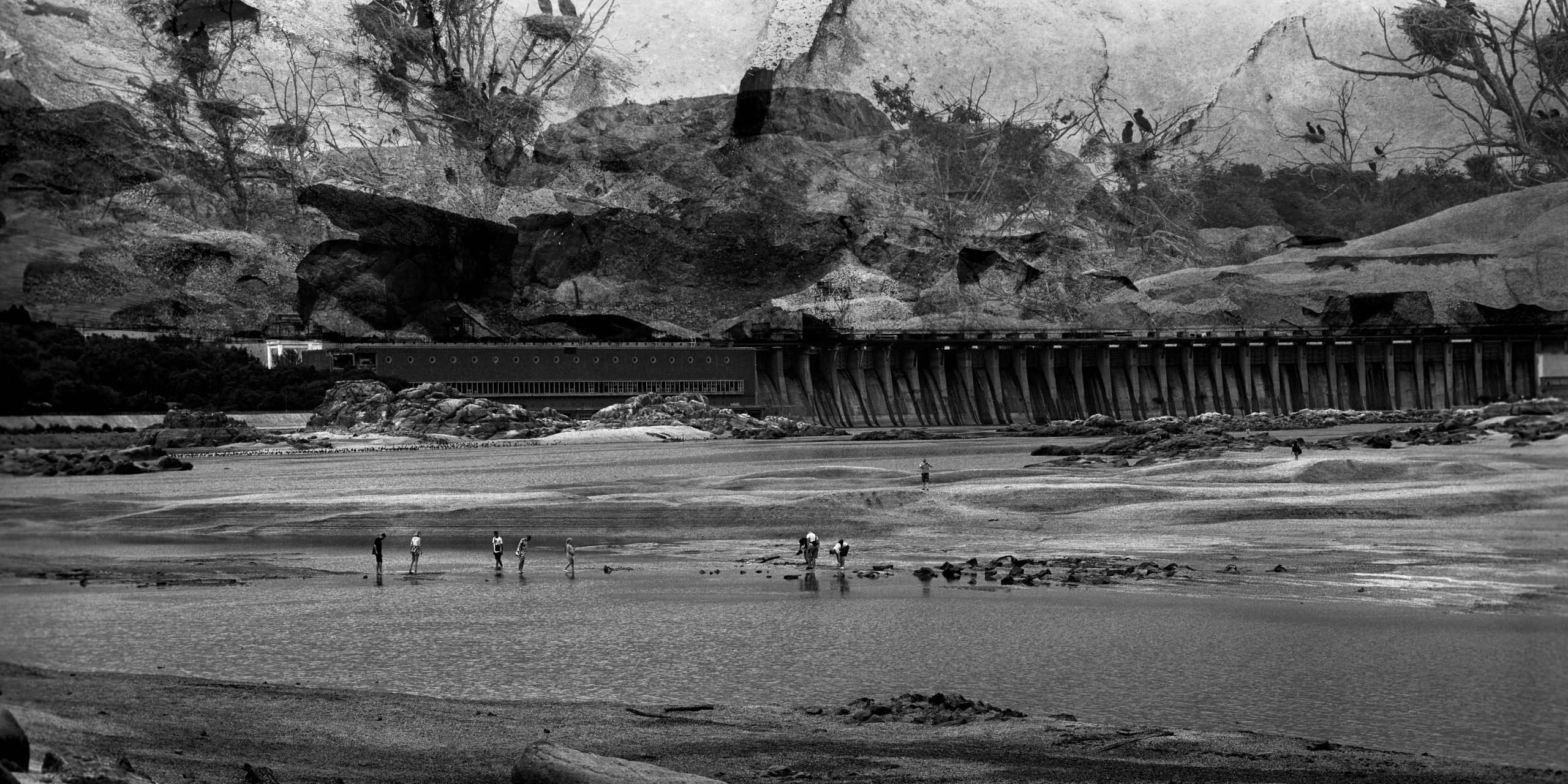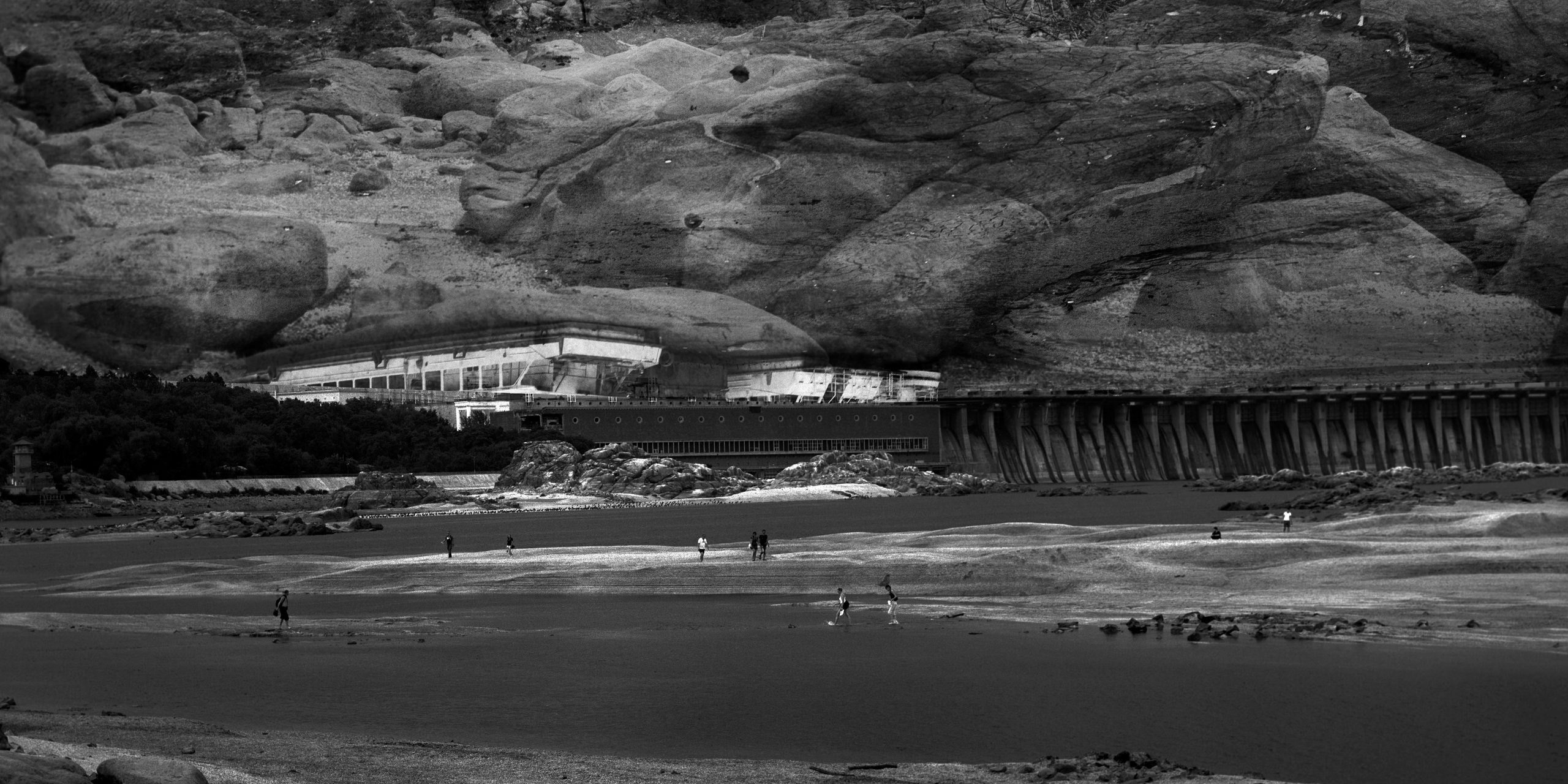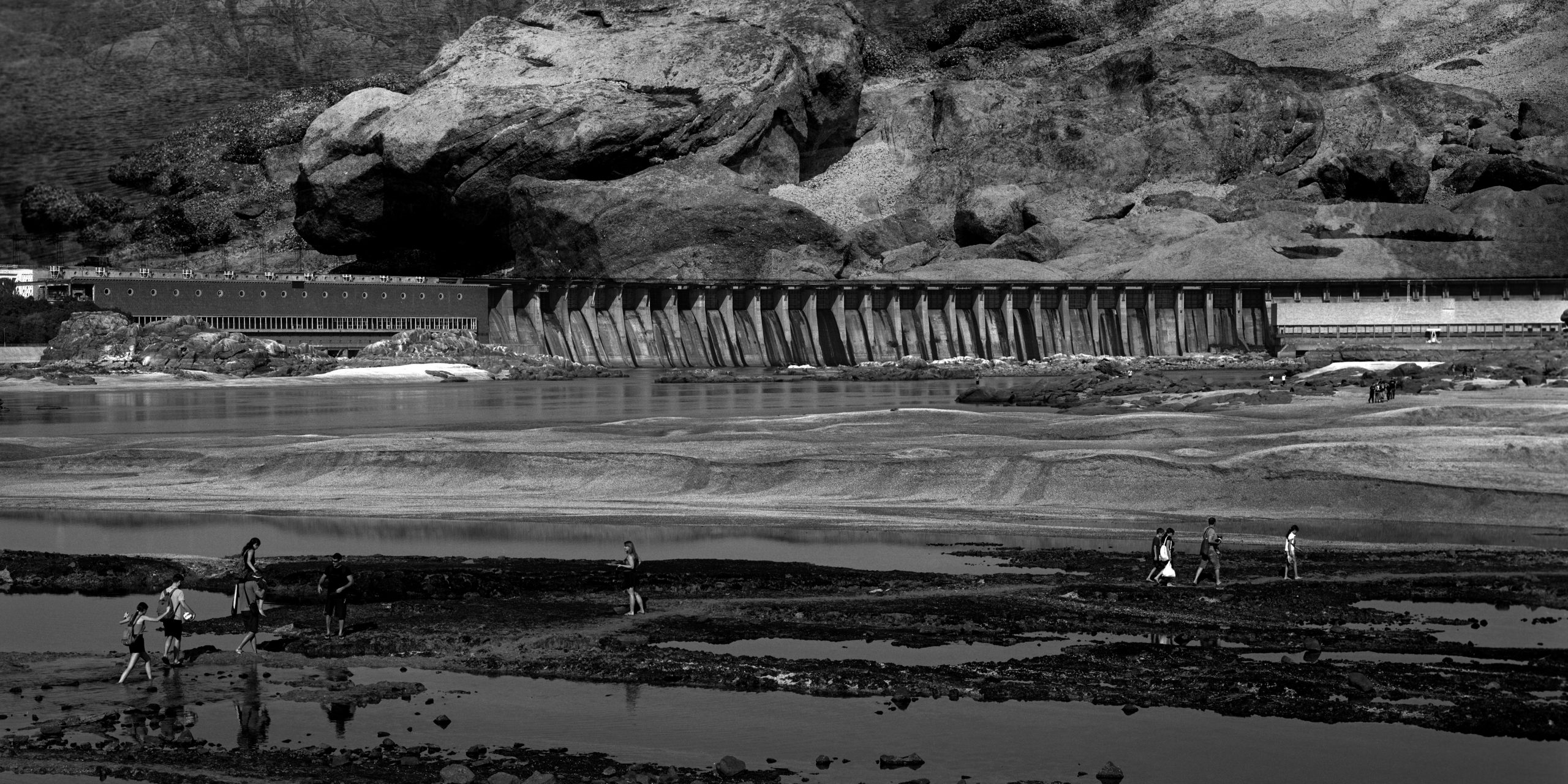
The Chornobyl disaster shaped the lives of Ukrainian children from affected areas through displacement, health challenges, and international recuperation programmes. Yaryna Grusha’s story explores the impact of the Soviet cover-up of the catastrophe, as well as the bonds forged between Ukrainian families and their Italian hosts, revealing how tragedy opened unexpected doors for the ‘children of Chornobyl’.
‘Chornobyl forever. We don’t need no more of this good fortune’, sang the frontman of the iconic Ukrainian rock band Skryabin, Andriy Kuzmenko. Ukraine’s history provides ample evidence of the lives of Ukrainians being defined by great tragedies. Paradoxically, along with being my greatest misfortune, Chornobyl was also a source of good fortune for me.
The explosion at the Chornobyl nuclear power plant (NPP) overnight on 25–26 April 1986 determined the course of my entire life. I should have been born in the Kyiv region, in the Poliske district, some sixty-five kilometres from Chornobyl, where my young parents lived and worked as schoolteachers. Instead I was born in the Vinnytsia region, in Yampil, where my grandmother was from. I never returned to that city, as if it played no part in my life, even though that’s where I took my first breath.
On 26 April, when my mother was seven months pregnant, she spent the morning washing the dust off the windows, as a proper homemaker should. Everyone in the village was getting ready for Easter, despite the ban on religion in the Ukrainian SSR, and it wouldn’t befit a young Soviet wife to have dirty windows during the holidays. About two weeks after the explosion, on a sunny morning in May, my grandfather put my mother in his red, Soviet-made Zaporozhets car, and they drove through a series of military checkpoints. The checkpoints were not meant to stop the spread of radiation but to stop the spread of news about the explosion at the nuclear power plant. The Soviet authorities were more concerned with their image than with the lives of their citizens, and the latter, as usual, had to fend for themselves. So people talked, whispered, and shared precautions, but nobody in this populous district surrounding the large nuclear power plant really understood what radiation was or how to deal with it. My family called a meeting and decided to take my mother-to-be to their village in the Vinnytsia region, which ends at the Dnister River, the natural border with Moldova.
Two months after the Chornobyl nuclear accident, I was born on my grandmother’s native land, in a house surrounded by grapevines that left shadowy splotches on the walls and ceiling. In the corner of my first room stood a loom, which my great-grandmother used to weave the most beautiful rugs, with red roses on a black background. Everyone in my family has one of my great-grandmother’s rugs. Mine graces the floor of my emigré apartment in Italy: this family treasure keeps my chronically cold feet from freezing.
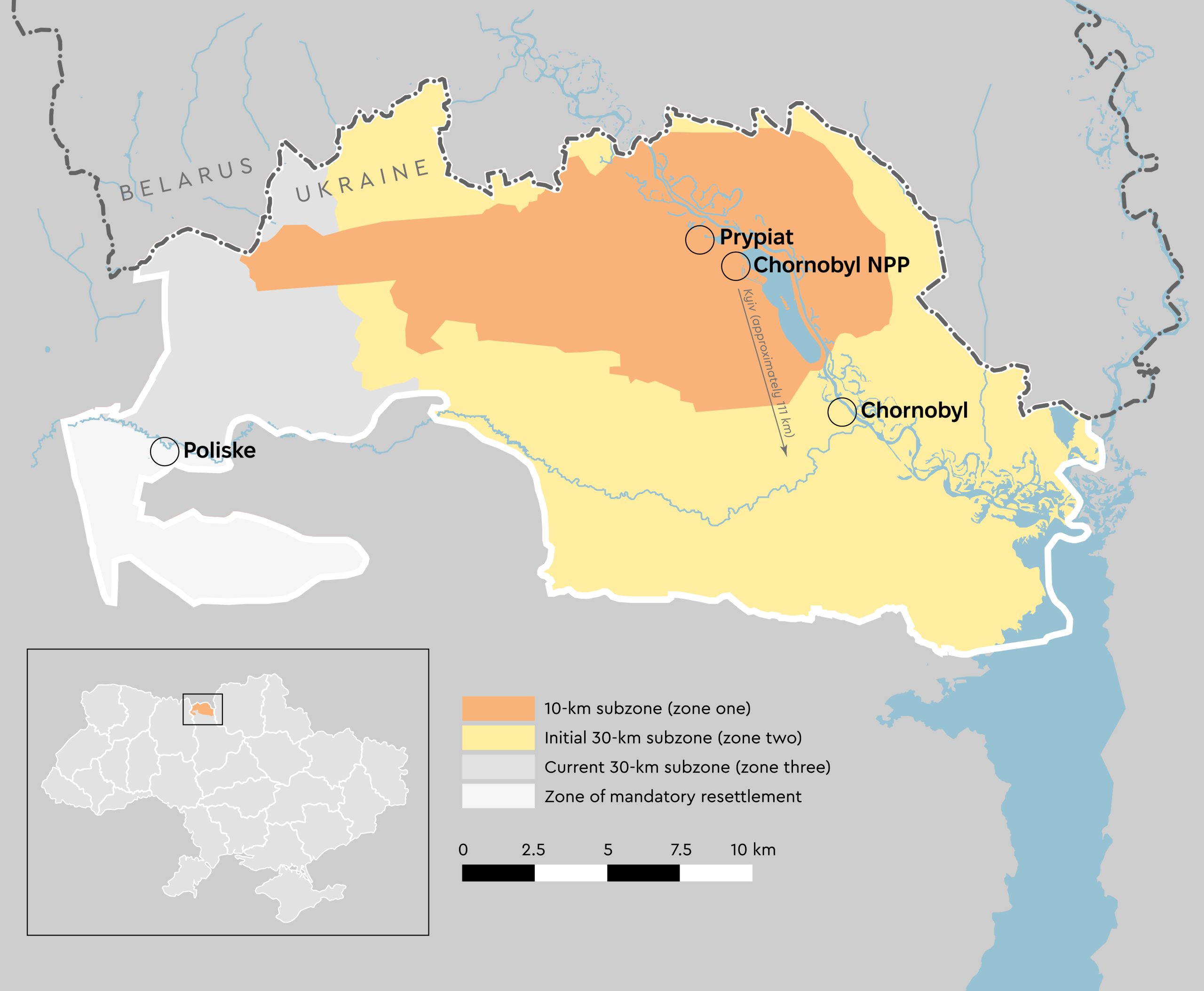
At the end of August 1986 we returned to the Kyiv region, to an area now divided into four zones. The residents of zones one and two, which contained Chornobyl and Prypiat, were evacuated in the first two weeks after the explosion. Each family was allowed to take one suitcase of belongings. Poliske, the town where I was supposed to be born, was in the third zone and died out slowly. Life in our district was sharply divided into ‘before’ and ‘after’ the accident, just as we divide historic time into BCE and CE.
The term ‘internally displaced persons’ appeared back in 1986 to describe the people who left and never returned to their homes. To enter the Chornobyl exclusion zone, you needed special permission – or a way to breach the fence, like the illegal explorers known as ‘stalkers’. Once a year, the gates of the Chornobyl zone opened officially to admit buses carrying displaced persons from all over Ukraine. During the springtime memorial holidays, a week after Easter, the zone’s cemeteries teemed with people. After the traditional memorial services and meals, people went back to their former homes and observed nature taking over, with trees and bushes crowding the windows.
After the accident, our district grew emptier as people left in search of better fortunes and cleaner air. Each year, class sizes shrank and schools eventually shut their doors. New bus routes were designed to transport all the children in the district to one school. In the early 2000s, the district was cordoned off with barbed wire and coldly labelled: ‘Exclusion Zone’. Many of the people who left died of cancer induced by the radiation their bodies absorbed after the accident, although we used to say they died of nostalgia.
There was a large poster at the entrance to my school. Under the words ‘The first responders’ were photographs of the firefighters on duty on the night of 25–26 April 1986, who were dispatched to put out what they were told was an ‘ordinary fire’. We, the ‘children of Chornobyl’, grew up knowing next to nothing about radiation or what happened that night at the Chornobyl NPP, until HBO released its miniseries Chernobyl in 2019, and told our story. Crippled by our Soviet upbringing, we had never learnt to talk about ourselves or to think that our experience, or we ourselves, mattered. I still remember the names of those first responders: Kibenok, Tytenok, Pravyk, Vashchuk, and Ignatenko. This exercise in memory is worth repeating every year, and not just on the anniversary of the tragedy.
In the 1990s, when I was a schoolgirl, our district often welcomed international humanitarian missions who brought presents, dosimeters, and medical equipment. My thyroid test results always came back higher than normal, and doctors cautioned me against eating the mushrooms we loved to pick in the surrounding forest. But how can you turn down fried mushrooms with sour cream and parsley in autumn, especially when that’s all you have to eat, since your schoolteacher parents have not been paid for months?
One of those humanitarian missions – from Switzerland, I believe – stopped by our house for lunch. They brought us large boxes of colourful clothing, a bit too bright for our Ukrainian village, which still clung to its former Soviet dullness. After our warm, if not exactly generous by Ukrainian standards, meal and endless goodbyes in the corridor, they left us with the boxes, the phrase ‘My name is Yaryna’, and a peaked cap that the volunteers’ van driver forgot. It was stylish, warm, and made of sturdy, waterproof material, so we ran after the van in an attempt to return it. But our feet were no match for the moving vehicle, so my father kept the cap. It was so well-made, unlike Soviet things, that he wore it for many years.
Every autumn before school began, we went for a checkup. The doctors palpated us, searching for various abnormalities like a third hand, tail, or horns. The only thing they would find was a weakened immune system, whether from radiation or malnutrition. In 1995, I had a physical exam in Poliske: the village was all but deserted, as if nothing but the hospital and dark-windowed factory buildings remained. That was just before I left for Italy. Most of the children from our district were sent abroad for recuperation – to Switzerland, France, Italy, Ireland. Maybe that was our unanticipated good fortune: during the impoverished 1990s we got to visit fairy-tale lands that we had only seen on television.
We took off for Italy from Boryspil airport on a chartered flight full of ‘children of Chornobyl’. These children will turn 40 this year, but in 1995 we were 9 years old. My parents, who had no experience with air travel or checked baggage, packed my bags. They filled the side pockets of my backpack with two bottles of vodka – a classic Ukrainian gift for the Italian family that was to host me for a month. One of those bottles shattered, and for the entire six-hour journey from the Turin airport to Malè, a town in Italy’s Trentino region, all my belongings reeked of honey-pepper vodka. On the way, we ate salami panini, which tasted terribly salty, since I was used to mushrooms with sour cream.
The Italians would often recall how in April 1986 they were told not to drink milk, or eat salad, or spend too much time outdoors, because somewhere far away, where my mother was washing the windows before Easter, unbeknownst to her, a nuclear reactor had exploded. Italians knew more about radiation than we did, although we had grown up sixty-five kilometres from Chornobyl. They asked me questions that I couldn’t answer. The strangest question was about protests with the exotic prefix ‘eco-’. Maybe that was because in 1986, instead of marching in eco-protests, people in my village took part in the all-Soviet International Workers’ Day demonstration on 1 May.
When I found the Italian family that I am still close with today, I started learning Italian. I visited them every summer, and within a few years I was translating for other Ukrainian children and their families. The Italian language, like the label ‘child of Chornobyl’, will stay with me forever. Italian became the basis of my profession, and I kept translating. Only now, instead of translating the complaints of a Ukrainian kid from my village in an Italian hospital, I translate Ukrainian literature. Today I use Italian to talk about the horrors of Russia’s current war against Ukraine. Forty years after Chornobyl, we, Ukrainians, have finally learnt to talk about our experience.
In addition to exploring foreign countries, the ‘children of Chornobyl’ got to explore their own country. This too was an unexpected stroke of luck. Every summer we were sent to old Soviet children’s camps for recuperation, in my case, to stabilise my thyroid. Thus I discovered the Carpathian Mountains, Ochakiv in the Mykolaiv region, and the Poltava sands with their tall pines. In Crimea, I learnt how to swim in the sea, and my fondest childhood memories remain on Alushta’s pebble beaches. At those summer camps I met children from evacuated villages in my district, recognisable by their Polissia dialect.
Great tragedies continue to shape the lives of Ukrainians to this day, producing new narratives and sparking reflection. Forty years after the explosion at the Chornobyl NPP, we are now anxious about the Russian occupation of the Zaporizhzhia NPP. It stirs up painful, frightening memories that we are still trying to decipher, like trying to crack a code to which we were never given the key. Over the years, Ukrainian writers and artists have sought the key in works such as Tamara Hundorova’s analysis of Ukrainian postmodern culture, The Post-Chornobyl Library, Maria Prymachenko’s paintings, Oksana Zabuzhko’s poem ‘Natura morta’, Markiyan Kamysh’s memoir Stalking the Atomic City, Myroslav Slaboshpytskiy’s short film Nuclear Waste, and Skryabin’s song ‘Chornobyl Forever’.
My childhood home will always be in the third and fourth zones around Chornobyl. Just as the Swiss peaked cap remains in my memory, beside the cold medical equipment used to analyse my thyroid, summer camps, and the salty salami from my first trip to Italy. That and the label ‘child of Chornobyl’ will be with me ‘forever’, as in Skryabin’s song. This experience, which couldn’t break me, made me stronger. Therein lies the key, perhaps, to my paradoxical good (mis)fortune.
Yaryna Grusha is a Ukrainian-born author and translator based in Italy. She teaches Ukrainian language and literature at the University of Milan. Together with her colleague Alessandro Achilli, she edited and co-translated the first anthology of Ukrainian poetry in Italian, Poeti d’Ucraina, published by Mondadori in 2022. In 2023, she edited the first literary guide to Ukraine’s capital in Italian, Dimensione Kyiv, for Rizzoli. Her texts have appeared in Corriere della Sera, La Repubblica, and Il Foglio. She translated Victoria Amelina’s Looking at Women, Looking at War: A War and Justice Diary into Italian for Guanda. Her debut novel, written in Italian, L’Album Blu, was published by Bompiani in 2026.
Image:Yana Kononova, Pilgrimage (II) from the series Desperation of Landscape, 2023